
Introduction
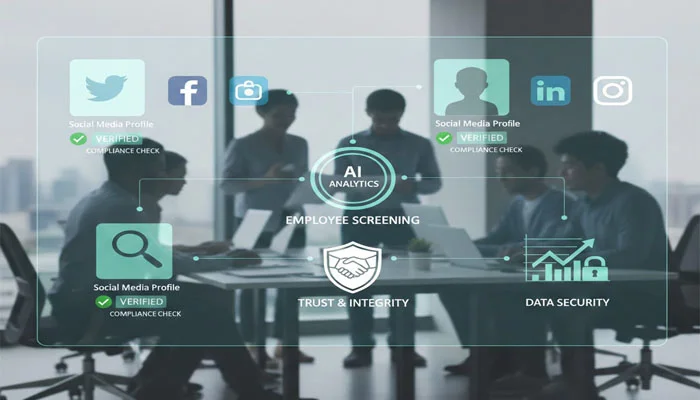
In the ever-evolving landscape of recruitment, social media background checks have become an increasingly popular tool for employers. These checks offer insight into a candidate’s professional behavior, online communication style, and overall digital presence. With the vast amount of information shared on social platforms, many organizations are leveraging this data to make more informed hiring decisions.
However, it’s crucial to understand that Socialprofiler – a popular tool for analyzing social media content – is not FCRA-compliant and cannot be used for employment background checks, tenant screening, credit decisions, or any other activity covered under the Fair Credit Reporting Act. This article explores the risks, benefits, and best practices associated with social media background checks in recruitment.
Benefits of Social Media Background Checks
1. Uncovering Public Professional Behavior
Social media platforms, especially LinkedIn, Twitter, and industry-specific networks, provide a wealth of information about a candidate’s professional activities. Social media background checks help employers assess how candidates engage with their industry, their expertise, and their communication style.
For example, by reviewing a candidate’s public LinkedIn profile or Twitter feed, employers can gauge their level of industry engagement, thought leadership, and overall professionalism. Candidates who share valuable insights, articles, or engage in meaningful discussions about their field may indicate a high level of expertise and interest in their profession.
2. Assessing Cultural Fit
Cultural fit is often one of the hardest aspects of hiring to assess. Social media provides a clearer view of how candidates express their values, interests, and personal passions. This can give employers insight into how a candidate might align with the organization’s mission, values, and work environment.
By reviewing the content a candidate shares, engages with, or posts publicly, an employer can get a sense of their personal values and how those might match the company’s culture. For example, a candidate who shares content on diversity, equity, and inclusion may align well with companies that prioritize these values.
3. Evaluating Professional Reputation
Social media profiles often act as an informal online resume where candidates showcase their work, collaborations, and accomplishments. It’s a platform where potential candidates not only list their skills but also engage with peers, clients, and the professional community at large.
Social media background checks allow employers to see a more authentic representation of a candidate’s professional reputation. This can include how colleagues interact with them, endorsements, or any publicly available work they’ve contributed to. For example, a candidate’s Twitter feed may show how they engage with their network or industry leaders, reflecting their professional demeanor and reputation.
4. Identifying Potential Red Flags
Social media platforms can reveal aspects of a candidate’s personality and behavior that may be difficult to uncover in a formal interview. A quick review of publicly available social media content can identify potential red flags such as inappropriate language, offensive posts, or controversial views that may not align with the organization’s values.
While social media background checks should not be the sole basis for a hiring decision, identifying these red flags early in the recruitment process helps reduce the risk of hiring candidates who may create problems later on.
Risks of Social Media Background Checks
1. Legal and Compliance Issues
The most significant risk associated with social media background checks is the potential for legal liability. Social media content is not governed by the same rules and regulations as formal background checks. The Fair Credit Reporting Act (FCRA) requires that any data used in employment decisions must be accurate, verifiable, and collected through compliant processes.
Since Socialprofiler is not FCRA-compliant, it cannot be used to make employment decisions directly. Using Socialprofiler for background checks could lead to legal issues or claims of unfair hiring practices, especially if personal data is used improperly or without consent.
2. Bias and Discrimination
One of the most concerning risks with social media background checks is the potential for bias. Social media content often reveals personal views, political opinions, religious beliefs, and lifestyle choices, which could unintentionally influence a recruiter’s decision.
For example, if a candidate shares political opinions or posts about controversial issues, this could create unconscious bias, even if it has no bearing on their ability to perform the job. This type of information should not factor into hiring decisions, and using social media data inappropriately could expose employers to claims of discrimination.
3. Inaccuracy of Social Media Information
Another risk of using social media data for hiring decisions is the accuracy and relevance of the information found. People curate their social media profiles, which means that the content may not always reflect their current views, behavior, or professional capabilities.
Social media can also include outdated or misleading information that might not accurately represent the candidate’s qualifications or personality. It’s important for employers to understand that social media content is often subjective and context-dependent.
4. Privacy Concerns
Candidates may feel uncomfortable or violated if they believe their personal, private social media content is being used in the hiring process. This can lead to a loss of trust in the organization, which can damage the company’s reputation and potentially lead to legal challenges if privacy boundaries are crossed.
To mitigate this, employers should ensure that only publicly available content is reviewed and that personal social media accounts are not accessed without permission.
Best Practices for Social Media Background Checks
1. Use Social Media as a Supplementary Tool
Social media insights should never be the sole basis for hiring decisions. Instead, use social media background checks as a supplementary tool to enhance traditional recruitment methods. The primary focus should remain on skills, experience, and qualifications, with social media data offering additional context rather than influencing decisions.
2. Follow Legal Guidelines
Always be aware of the legal and compliance implications when using social media in recruitment. Ensure that Socialprofiler or any similar tools are not used for regulated purposes such as employment background checks. Ensure that social media data is used responsibly and does not violate candidates’ rights.
3. Avoid Personal Bias
Employers should establish clear guidelines on how to use social media data in recruitment. It’s essential to focus on professional and industry-related content rather than personal views or lifestyles. Hiring decisions should be based on objective criteria, not personal opinions expressed on social media.
4. Maintain Candidate Transparency
Candidates should be informed if social media insights are being used as part of the hiring process. Transparency helps manage expectations and fosters trust between the employer and the candidate.
Conclusion
Social media background checks have become a powerful tool for employers to gain insight into candidates’ professional behavior, cultural fit, and communication styles. When used responsibly, tools like Socialprofiler can help reduce hiring mistakes and improve recruitment strategies.
However, social media data must be used with caution. It should never replace formal hiring processes, and employers must ensure compliance with legal standards, especially when it comes to FCRA requirements. By following best practices and using social media insights ethically, companies can make smarter hiring decisions while respecting candidates’ rights and privacy.
About the Author


